
BoSacks Speaks Out: The 5‑Year Plan Is Dead - Long Live Planning (and Bring on the CVO)
By Bob Sacks
Sat, Jan 31, 2026
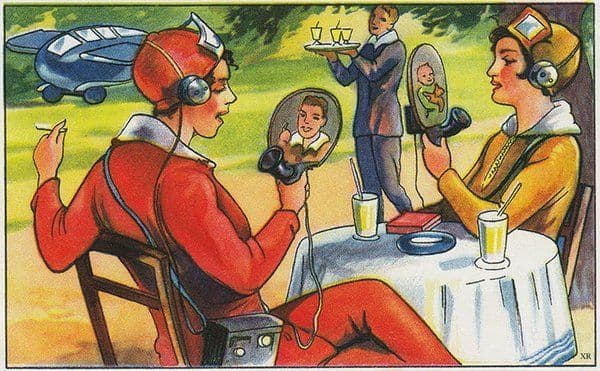
I’ve been reading reports like FT Strategies’ “Next Gen News 2” and Northwestern’s Medill forecasting work, and they all circle the same blunt and unavoidable question: how does a newsroom prepare for the audience of 2030? The premise is sound and slightly unsettling because it forces us to acknowledge what many have quietly observed but hesitated to voice: a new generation is already reshaping how journalism is produced, distributed, trusted, and paid for. They are not patiently awaiting an invitation; they are already rearranging the furniture while we are still debating the floor plan.
Despite all that, I remain a believer in planning, real planning, not the decorative kind trotted out for board meetings or retreats. Not the “we’ll think about this after Q2” brand of planning. I mean the active, intentional process of confronting the future head‑on, because the future has never cared about your timeline, your staffing levels, or your budget approval process. Alan Lakein captured this perfectly when he wrote, “Planning is bringing the future into the present so that you can do something about it now.” That one sentence is worth more than a dozen keynote presentations and half the strategy decks floating around leadership inboxes.
As I see it, the uncomfortable truth: the traditional five‑year business plan is dying of natural causes, and we are all attending the wake. Technology shifts weekly. Platforms rewrite distribution rules monthly. Audience behavior pivots every time an algorithm gets a haircut. A publisher can produce a meticulous five‑year plan in 2026 only to watch it curdle before they even finish the accompanying slideshow. The idea that any organization in modern media, large or small, can confidently chart out half a decade is charming, but about as realistic as expecting your CMS migration to finish early and under budget.
Yet abandoning planning entirely would be even more foolish. Rejecting planning because the ground keeps moving is like refusing to use maps because the roads sometimes get repaved. The fragility of the plan does not diminish the necessity of the planning. In fact, it makes the planning more essential than ever. A five‑year plan is not a prediction; it is a discipline, a ritual of intellectual honesty. It forces leaders to articulate their assumptions before the universe does it for them, often with less courtesy. It should be revisited every six months, challenged aggressively, and treated as structured guesswork. But make no mistake: you still need one. And you need the humility to know it will be wrong.
This brings me to the piece almost every newsroom and media company is missing: the presence of a Chief Visionary Officer, a CVO. This is not a vanity title or a ceremonial seat at the leadership table. A CVO is the person whose actual job is to look beyond the daily firestorms and quarterly pressures and scan the horizon for weak signals, emerging disruptions, and opportunities that haven’t yet become obvious. When everyone else is knee‑deep in pageviews, budgets, and the politics of workflow, the CVO is the one asking whether the very foundations of the model are shifting, and whether we are shifting with them or being shifted against. I've written about this concept before and called the position the “Head of Preparedness”.
The CVO exists to protect the long view from the tyranny of the short term. They are the steward of continuity, the person who carries the thread from one planning cycle to the next so that decisions made to fix this year’s emergencies don’t quietly sabotage next year’s possibilities.
Most publishers today behave like ship crews who are so busy patching leaks on the lower deck that no one notices the vessel has begun drifting off course. A Chief Visionary Officer is the navigator who keeps an eye on the horizon while everyone else is knee‑deep in the bilge water. Without that role, an organization inevitably veers toward short-term survival thinking, mistaking urgency for strategy and motion for progress.
The goal, after all, is not to predict 2030. Only Bo can do that. The goal is to build a newsroom and a business that can absorb surprise without breaking, pivot without panic, and place smart bets before the audience finishes migrating to new platforms, new habits, or new expectations. If the last decade has taught us anything, it is that certainty is a luxury the modern media landscape will not provide. But resilience is something we can design for. Vision is something we can cultivate. And planning, even when the plan itself is doomed, remains one of the few tools we have to ensure we are not caught flat‑footed.
The publishing house that waits for certainty will get none. The publisher that plans for instability, guided by a leadership structure that includes someone whose job is to think relentlessly about the future, at least has a fighting chance. In this environment, the five‑year plan may be dead, but planning is very much alive, and it is time we staffed accordingly.